

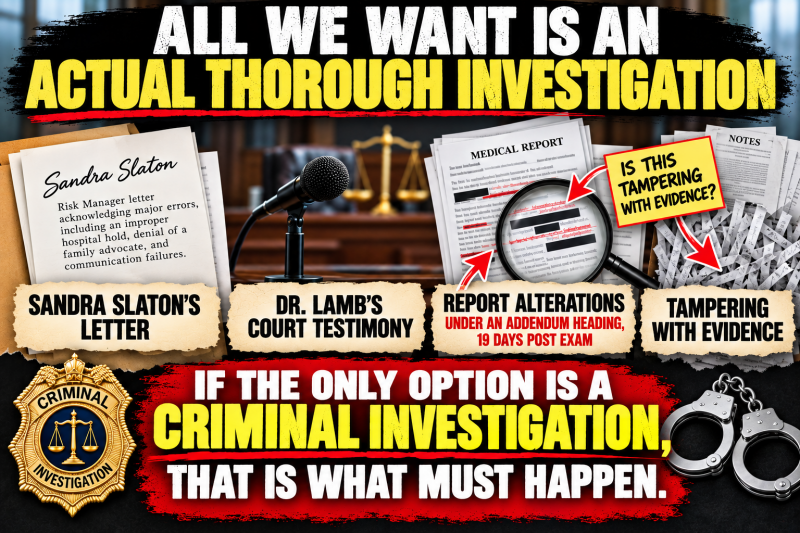

Menu in Upper Right ↗️
Why this website?
Dr. Lamb is back in the Child Abuse Expert business in Oregon, according to Licensing.
Grandma Kathy's story:
In October 2023, my five-week-old granddaughter was taken to Mary Bridge Children’s Hospital. An emergency physician diagnosed a skull fracture. That diagnosis was communicated to the family and reported to CPS/DCYF and law enforcement. The skull fracture was the only injury initially reported to law enforcement, and it was listed as the reason for the baby's hospital admission.
Her parents were told their five-week-old baby might need brain surgery and might have suffered brain damage. They were terrified, but they were fully cooperative with the hospital, law enforcement, and DCYF.
Before the neurosurgeon ever indicated that there might not actually be a skull fracture, law enforcement had already investigated and five social workers had interviewed the family. The parents and extended family answered questions and tried to reconstruct anything that could possibly explain how this baby could have sustained what everyone was telling them was a serious skull fracture.
That context matters enormously. The family was not trying to explain a faint forehead mark in isolation. They were trying to explain how a five-week-old baby they loved, and whom doctors had told them might need brain surgery, could possibly have suffered a skull fracture.
The family never claimed that the burping incident described by the paternal grandmother could cause a skull fracture. In fact, we specifically acknowledged that it could not. But it was a compelling explanation for a light forehead bruise that lasted only about two days—particularly given its appearance, location, rapid resolution, and the grandmother's description of what had actually happened.
We later learned from our expert that the forehead bruise and the alleged skull-fracture location were not even in the same location. Remarkably, Dr. Lamb later testified that she did not know whether they were in the same location. I believe she knew—or, at an absolute minimum, as the child-abuse pediatrician offering the expert opinion, she should have known.
Then the central premise of the entire investigation collapsed.
On October 4, the neurosurgeon indicated that he did not believe there was a skull fracture. On October 5, at approximately 2:30 p.m., Dr. Susan Lamb learned from radiology that there was no skull fracture. Twenty-three minutes later, at approximately 2:53 p.m., she issued her child-abuse report and concluded that the findings were indicative of abuse.
And something else happened at this critical point: once the skull fracture was gone, Dr. Lamb's report began describing the forehead bruise as “rectangular.”
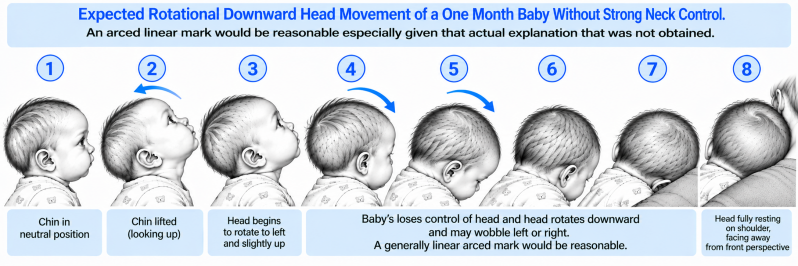
That characterization is extraordinary to me. The photographs do not show a rectangular bruise. I teach Geometry in high school and attributes of rectangles are a lower grade level standard. This is not science. A rectangle can not be present on an infants skull. The mark had no four right angles, no two pairs of parallel sides, and no distinct regular rectangular borders. It was an irregular, curvilinear mark. Calling that mark a rectangle does not merely strike me as an imprecise choice of words; the visible geometry of the mark is incompatible with a rectangle. Even crazier - Dr. Lamb, the supposed expert, seemed to imply that a rectangular object must have been used to hit the child. We all know that a rectangular object would not imprint itself on a head. The contact would be roughly a tangent because of skull curvature. It made no sense.
Even more concerning, the word “rectangular” was attributed to the mother—as though the mother had described the bruise that way. She did not. In our view, this new characterization became important only after the skull fracture that had driven the investigation was determined not to exist.
At the same time, Dr. Lamb characterized other marks as unexplained. But they were not unexplained. There were explanations available that she apparently chose not to meaningfully investigate.
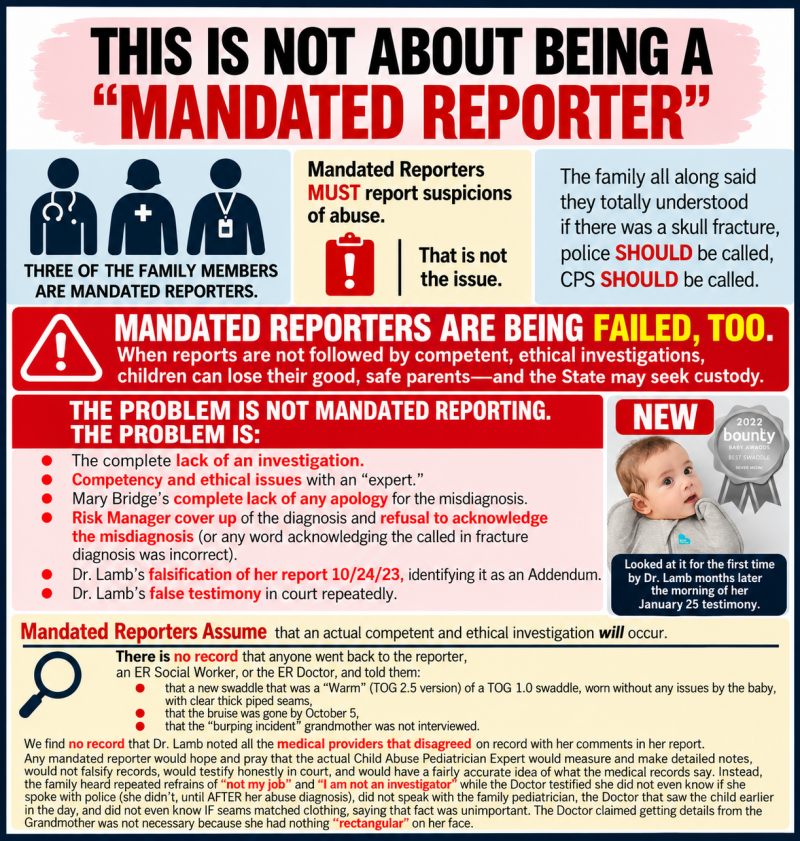
She could have read the law-enforcement and DCYF interview records that already existed. She could have reviewed the photographs DCYF had taken of the baby's new Love to Dream Swaddle Up Warm 2.5 TOG, including its substantial external seams. She could have asked to see the actual garment. She could have ensured that someone interviewed the only eyewitness to the burping incident, the paternal grandmother, who was available and whose contact information had been provided. And she could have carefully read the baby's medical records to determine what the child had actually previously been taken to the doctor for before using that history to support an abuse conclusion.
Once the skull fracture disappeared, those investigative steps became more important, not less. Police and five social workers had already investigated the family while everyone believed there was a serious skull fracture. Yet when that supposed fracture was determined not to exist, there was no comparable effort to go back and objectively investigate the explanations for the remaining minor findings.
Twenty-three minutes after learning that the central injury did not exist, Dr. Lamb diagnosed abuse anyway.
The family had been fully cooperative from the beginning. What changed was not their story or their willingness to provide information. What changed was the medical premise upon which the entire investigation had begun.
And instead of that dramatic change causing the case to be reevaluated from the beginning, the skull fracture disappeared while an allegedly “rectangular” forehead bruise took on increasing importance.
That sequence—what was known, when it was known, what was investigated, what was not investigated, and how the description of the remaining findings changed—is at the heart of why our family has spent the last three years demanding that someone actually investigate what happened.
Law Enforcement told the family that Dr. Lamb's opinion was that someone grabbed the baby by one arm, pressed the clothing seams into the skin (magically leaving no marks other than a pink line) and smashed her head into a wall to cause this two day bruise. Dr. Lamb's testimony about the arm mark - first she did not remember IF she talked to law enforcement then disputed that she said that, then she pretty much did say that "some force" had to have been applied to the seams to make the marks. Dr. Lamb - Have you ever heard of a little force called gravity?
Honestly, Dr. Lamb sounded like an idiot on the stand, and we knew she was lying, but could not prove it until we got the records almost a year later. Now no one cares to investigate.
Trying to Get Accountability
For nearly three years, our family has tried to get someone—anyone with actual authority—to investigate the evidence rather than simply defer to someone else. We have not asked these agencies to accept our conclusions. We have asked them to open the records, compare the contemporaneous documents with what was later reported and testified to, and explain the discrepancies.
We complained to Mary Bridge, where our concerns were routed through Risk Management. This is particularly difficult to accept because Mary Bridge had an opportunity very early to require an accurate accounting of the skull-fracture misdiagnosis. Instead, the forensic report was later altered under an “Addendum” heading, and we have found no evidence that all prior recipients were clearly notified of the substantive changes.
We complained to the DCYF Office of the Family and Children’s Ombuds about the materially inaccurate Dependency Petition, DCYF’s handling of Dr. Lamb’s altered report, and the conduct of the supervisor involved. The complaint sat for approximately four months before we were told that, after reviewing the records, the Ombuds found DCYF’s conduct consistent with law and policy. Yet when we finally obtained the records ourselves, we identified more than 13 apparent policy violations or departures that we believed required examination. One of the conversations central to our complaint apparently had not even been documented by the supervisor, despite a contemporaneous parent text thanking DCYF “for hearing us out today.”
We have repeatedly sought follow-up from DCYF oversight—five times—and have received no meaningful follow-up.
The Washington Medical Commission has received four complaints that we know of concerning Dr. Lamb. Materials provided have included her testimony, the original and altered reports, documentation of the skull-fracture diagnosis, and records relevant to whether law enforcement was informed of the report alterations. We specifically raised testimony in which Dr. Lamb denied knowing that a treating physician had diagnosed a skull fracture and then agreed that there had been no misdiagnosis. The Commission has declined to investigate the complaints we submitted without giving us a substantive explanation addressing those discrepancies.
A Bar complaint was filed asking for an investigation into why DCYF’s Dependency Petition was, in our view, materially falsified. The reason given for not proceeding was essentially that it did not appear a court had found misconduct by the lawyer.
But the court did not know.
Neither did we—not fully. We did not receive the records that allowed us to reconstruct much of what had occurred until approximately a year later. A judge cannot make a finding about information that was withheld, omitted, inaccurately presented, or simply unavailable to the family and the court. The absence of a judicial finding cannot logically establish that misconduct did not occur when the alleged misconduct itself helped prevent the court from seeing the information necessary to identify it.
That has become the most disturbing part of this experience. Every accountability system seems able to point to another institution’s failure to act as justification for its own failure to investigate. The medical regulator can decline. The Ombuds can decline. Oversight can fail to follow up. The hospital can route the matter through Risk Management. And the Bar can point to the absence of a court finding—even though the court never had the evidence that later raised the concern.
We are not asking anyone to simply believe us.
Open the records. Build the timeline. Compare the original documents with the later reports, petition, and sworn testimony. Determine who knew what, and when. Then make an independent decision.
After nearly three years, that is still all we are asking for:
Someone with authority to actually investigate.
If No One Else Will Act, Someone Must
If local authorities will not investigate these concerns, if the Attorney General’s Office will not address what happened in this dependency case, and if Mary Bridge will not meaningfully investigate the conduct of its own Child Abuse Intervention Department, someone still has to protect children and families.
That is why we are continuing.
In the meantime, I plead with nurses, physicians, social workers, technicians, and every other Mary Bridge employee who encounters a child being evaluated by CAID:
Pay attention. Scrutinize. Question. Document. Demand good explanations.
Do not accept a conclusion merely because the person giving it has an impressive title or is called an “expert.” Expertise should withstand questions. If something in the medical record contradicts what you are being told, say something. If an injury changes or disappears, document it. If a family provides an explanation, make sure it is accurately recorded and actually investigated. If there is an eyewitness, make sure someone interviews that person. If clothing, bedding, equipment, or another physical object might explain a mark, photograph it and preserve the information.
And please help parents understand how important contemporaneous documentation can become.
Parents: take photographs—lots of them. REcord your statements, Text updates to loved ones. Preserve the original files with their dates and metadata. Keep texts and emails. Write down names, dates, times, and exactly what you were told as soon as possible. If someone tells you something important, make a contemporaneous record of it. Immediately make your own dated voice memo recounting what was just said, who said it, who was present, and what you understood it to mean. No one can stop you from recording yourself responding to their questions. Ask for a police interview so it can be recorded. Ask for police to be present when meeting with a Child Abuse Pediatrician to prevent falsifications. Follow important conversations with a written message confirming your understanding.
Most hospital employees will never know what ultimately happens in court. They may never see the dependency petition. They may never hear the expert testimony. They may never know that one observation—or one failure to document an observation—later became enormously important.
That is why integrity at the bedside matters.
You may be the only independent person in the room who sees something that needs to be documented. You may be the person whose careful note, photograph, question, or willingness to speak up prevents a terrible mistake.
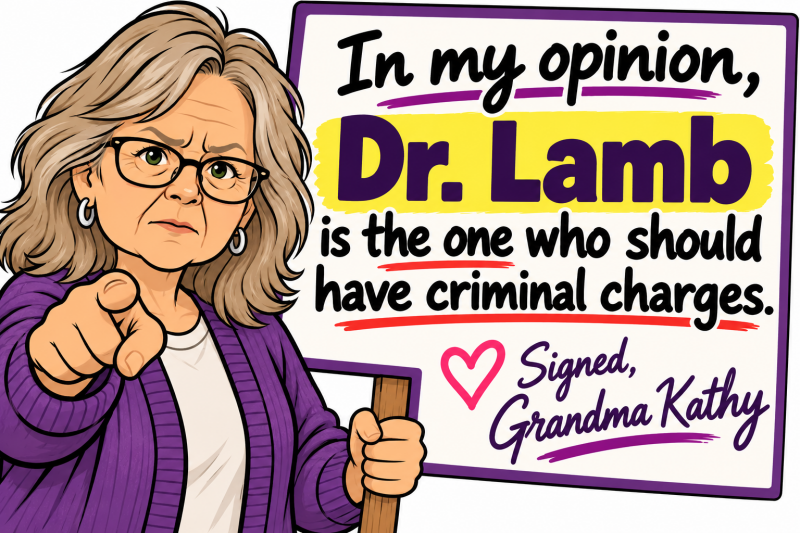
DR. LAMB TESTIFIED THAT SHE WAS VERY DISAPPOINTED LAW ENFORCEMENT DID NOT PURSUE CHARGES.
Charges against the parents — over what?
A forehead mark that disappeared within about two days when a skull fracture was the only injury reported to police?
A reported burping incident that provided an explanation for the forehead mark — while the sole eyewitness to that incident was not interviewed.
Clothing marks when the clothing itself was not obtained or examined during the initial evaluation — even though DCYF had obtained a photograph of the garment. Over petechiae and a subconjunctival hemorrhage that the family pediatrician and ER Doctor are documented not to have a concern about. The note from the Social Worker that called CPS said he was not concerned about either because they could be a result of a URI. Other Doctors reported to the family that those are not a concern with a child with a severe URI. Dr. Lamb appeared to be unaware of research that excluded children 1 month of age because SH can come from birth.
Meanwhile, serious questions remain about Dr. Lamb’s own conduct:
• Why was her report altered after it had already been provided to law enforcement?
• Why were those alterations placed under an “Addendum” heading rather than clearly identifying what had been changed?
• Why did she testify that, to her knowledge, no treating physician diagnosed a skull fracture when the medical record documents a skull-fracture diagnosis?
• Why did she testify that there had been no misdiagnosis?
• Were her statements in court about the changes to her report accurate?
• Why did she alter the name of research from rarely bruise to don't bruise?
SHE WANTED LAW ENFORCEMENT TO PURSUE THE PARENTS.
WE WANT LAW ENFORCEMENT TO THOROUGHLY INVESTIGATE THE EVIDENCE CONCERNING HER.
If the evidence establishes criminal conduct, the fact that she was the Child Abuse Pediatrician should not shield her from accountability.
Feedback? Questions? Suggestions? info@marybridgeprotest.com
Dr. Lamb felt that knowing if clothing seams matched marks was not important. Do you think one of these swaddle should have been considered? Not Dr. Lamb who saw it (a photo) in court for the first time, even though a photo was available the day before her exam.
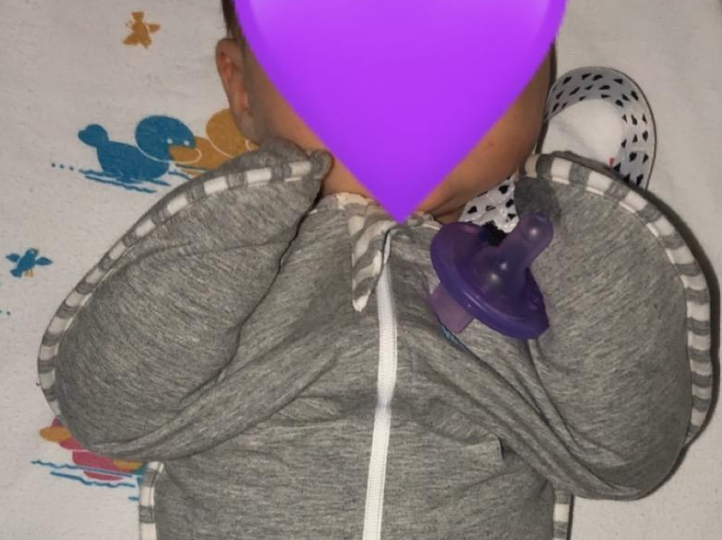
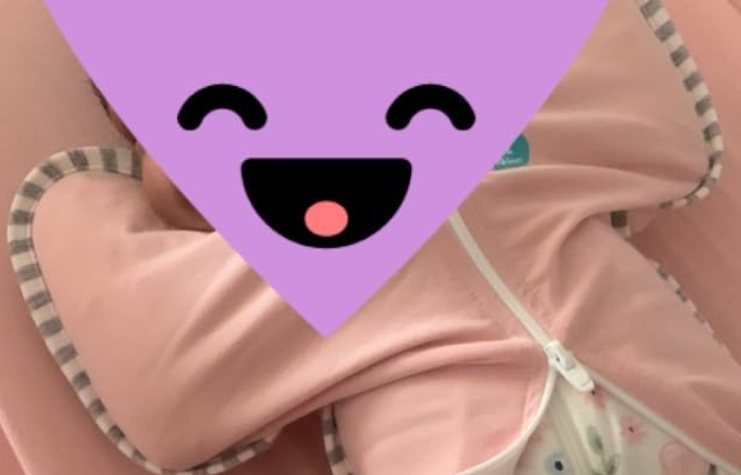
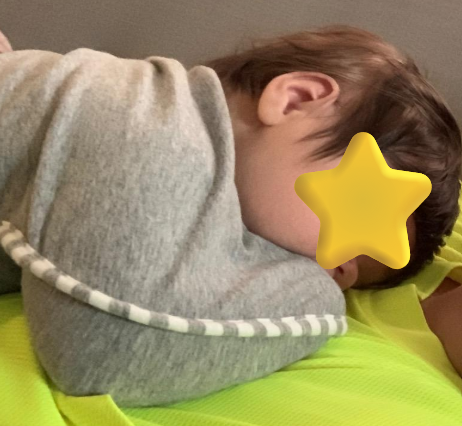
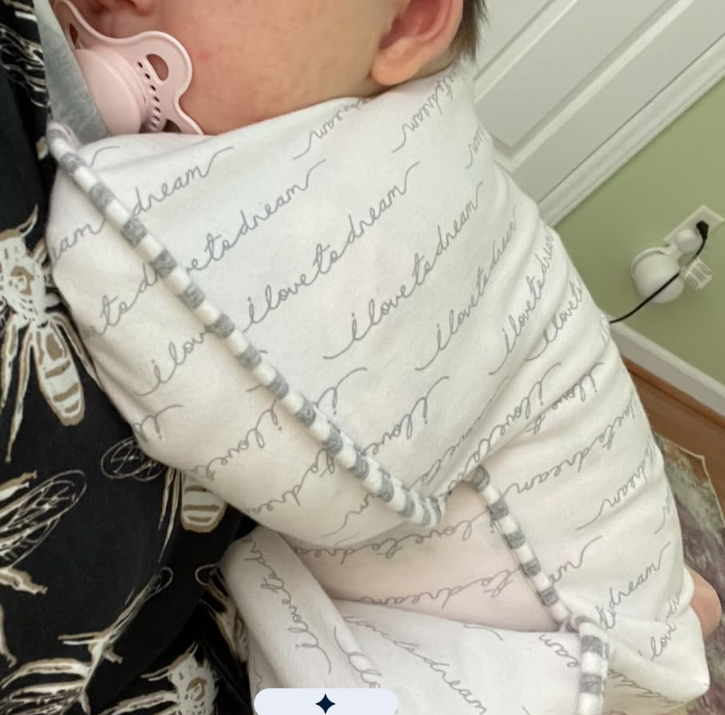
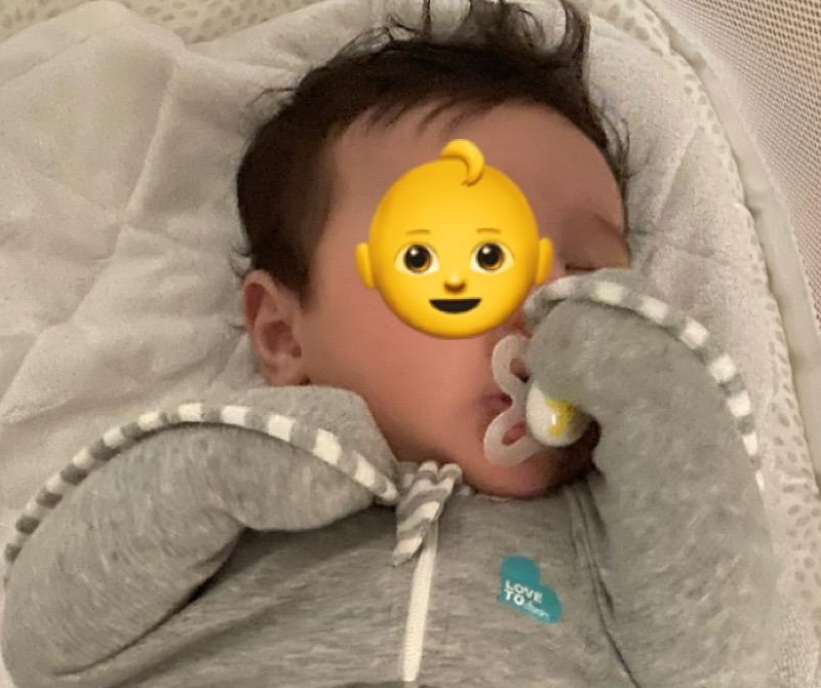
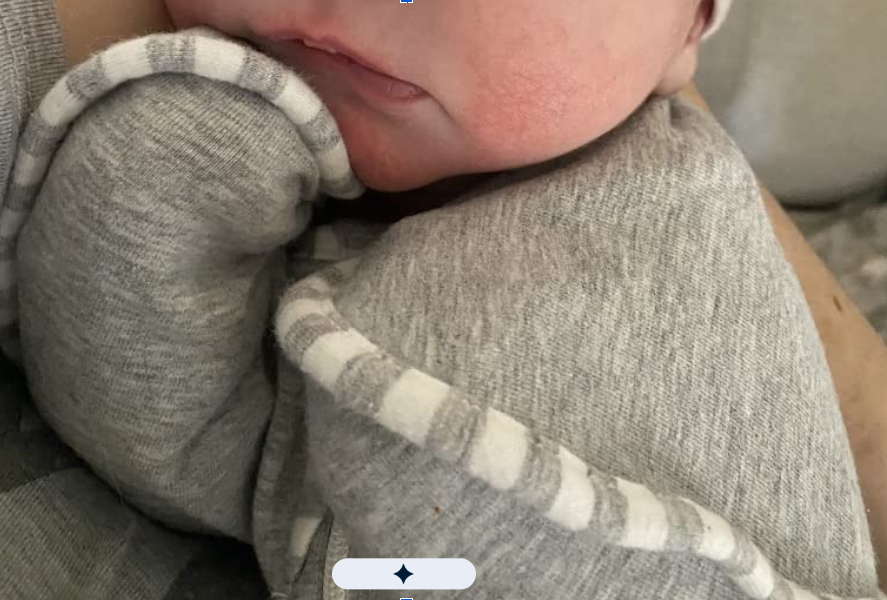
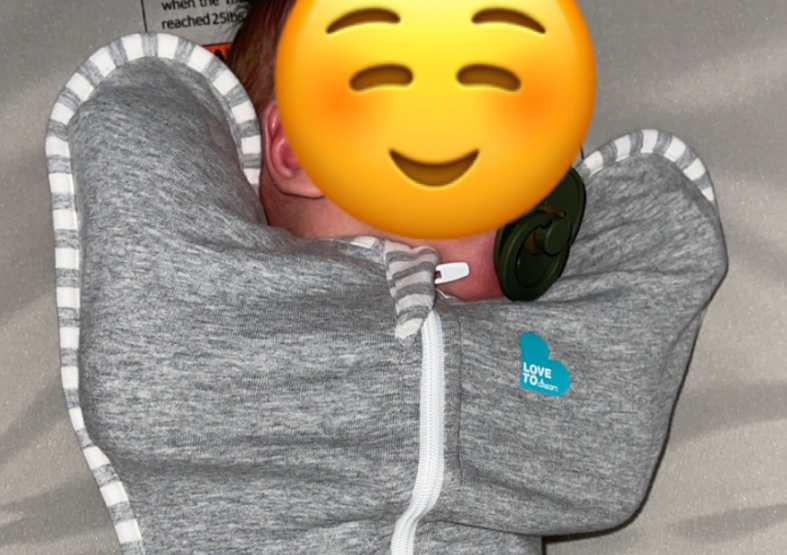
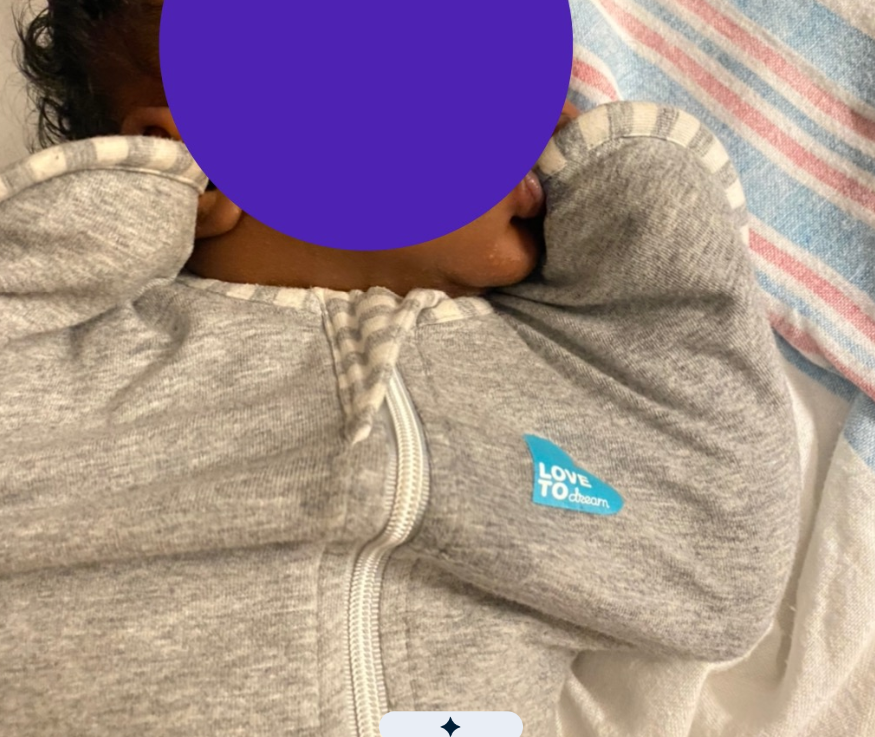
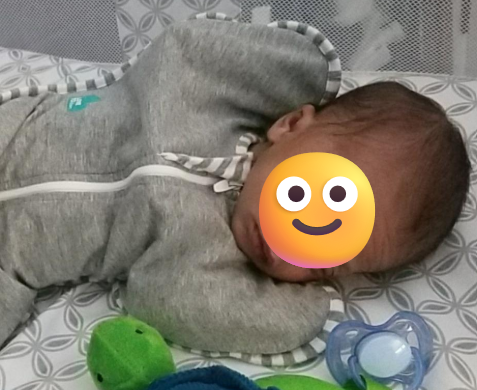
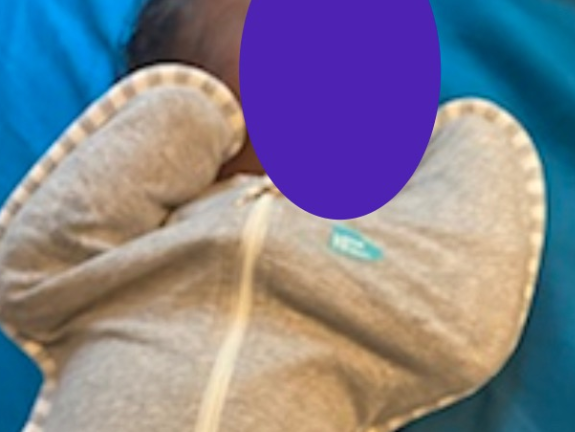
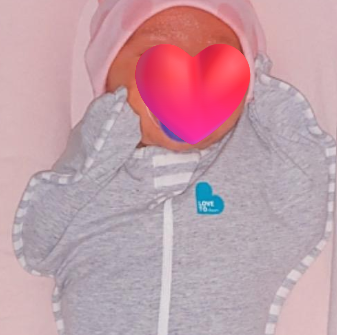
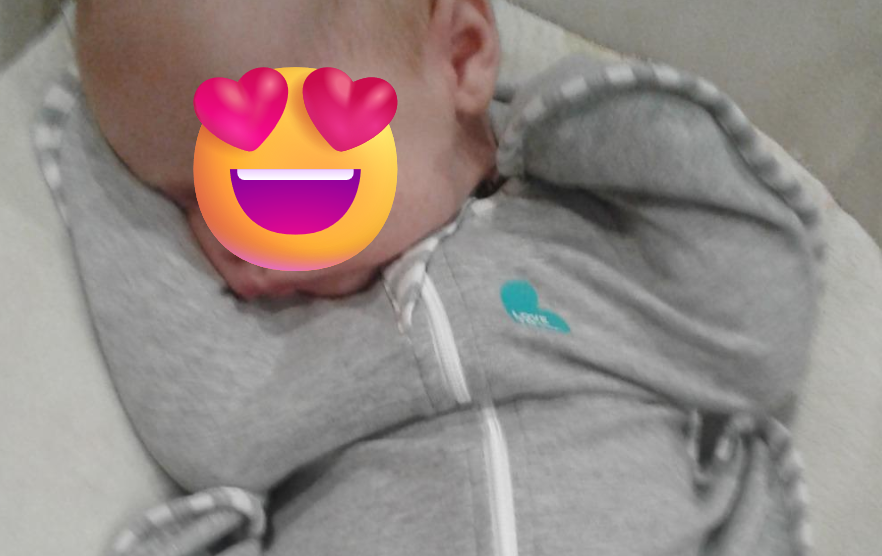
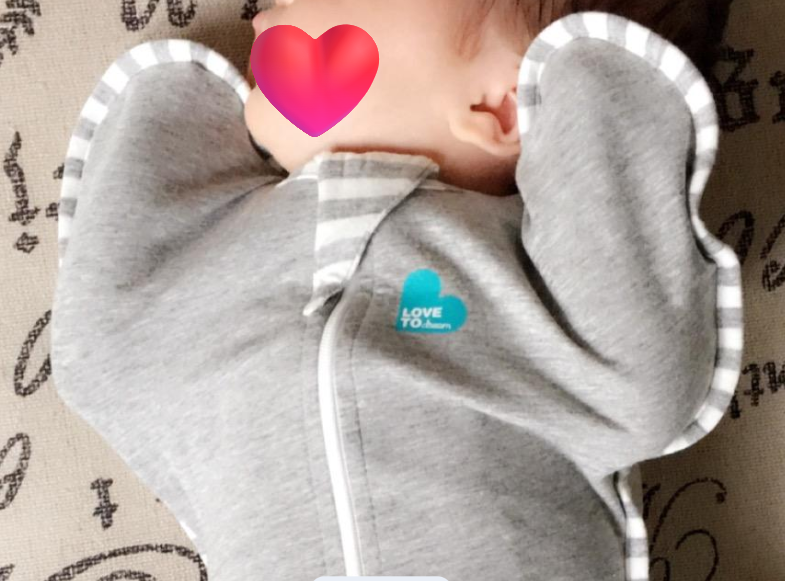
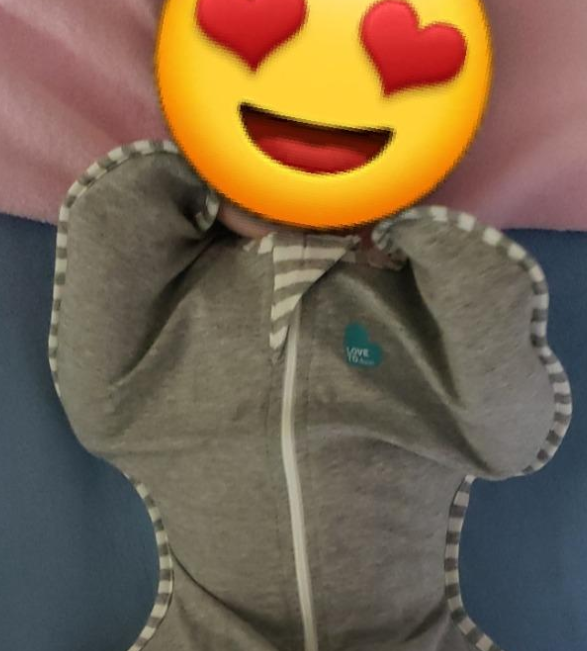
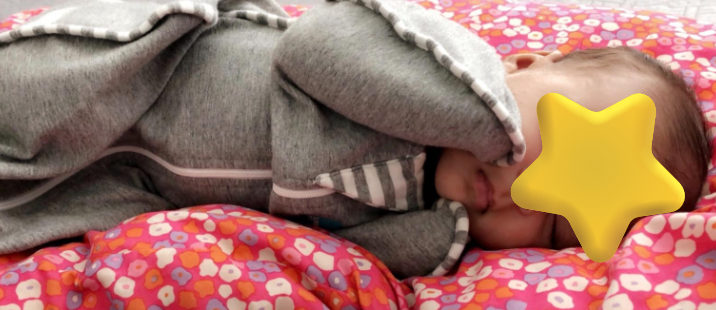
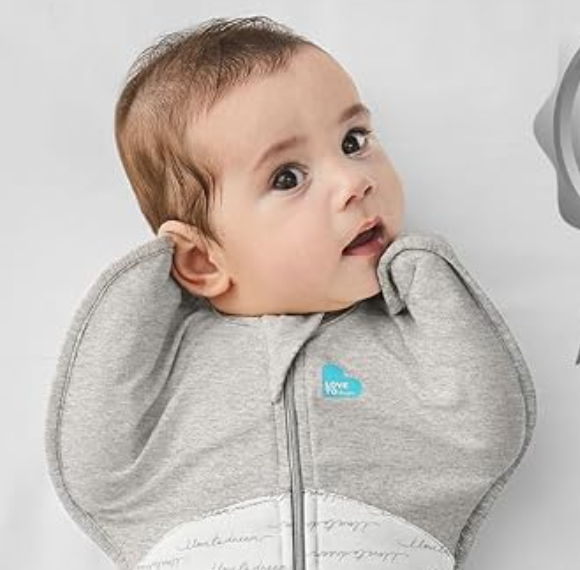
Dr. Lamb testified knowing about a situation like this was not important. That is why she went ahead and diagnosed abuse over a two day forehead bruise (if that is even correct) when the sole witness had not been interviewed.
Could something like this this cause an arced linear mark on a forehead?
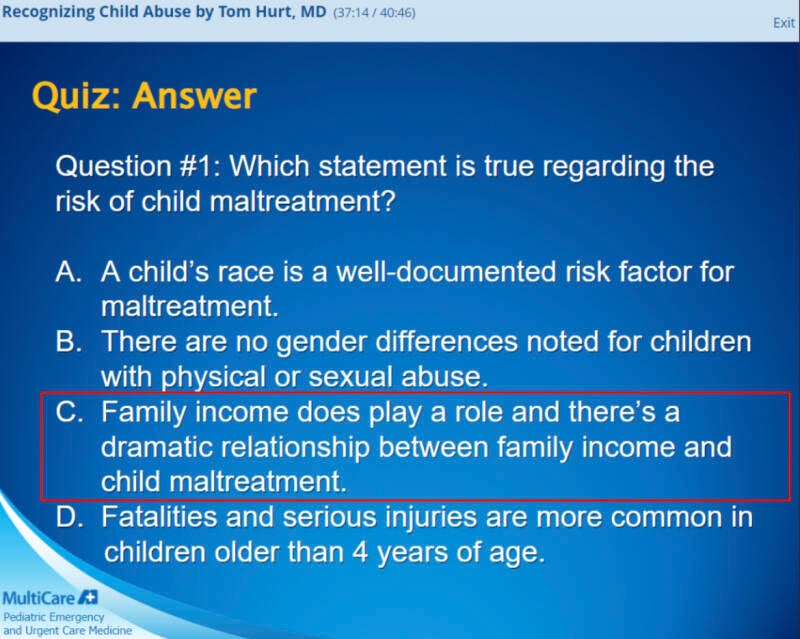
ALARMING MISINFORMATION SHARED IN TRAININGS WITH MARY BRIDGE MEDICAL STAFF
Q: What is wrong with this?
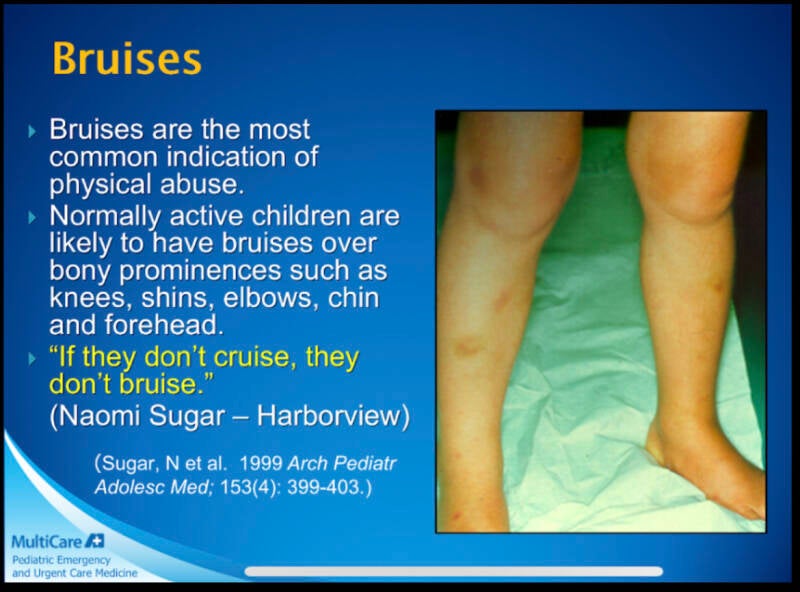
The actual title is "Those who don't cruise, rarely bruise"
If you would like more information, or to be contacted, please use thus form.